Paris - The Hungarian Capital of France? No, But It’s Still an Architectural and Cultural Treasure Trove
 Dec, 6 2025
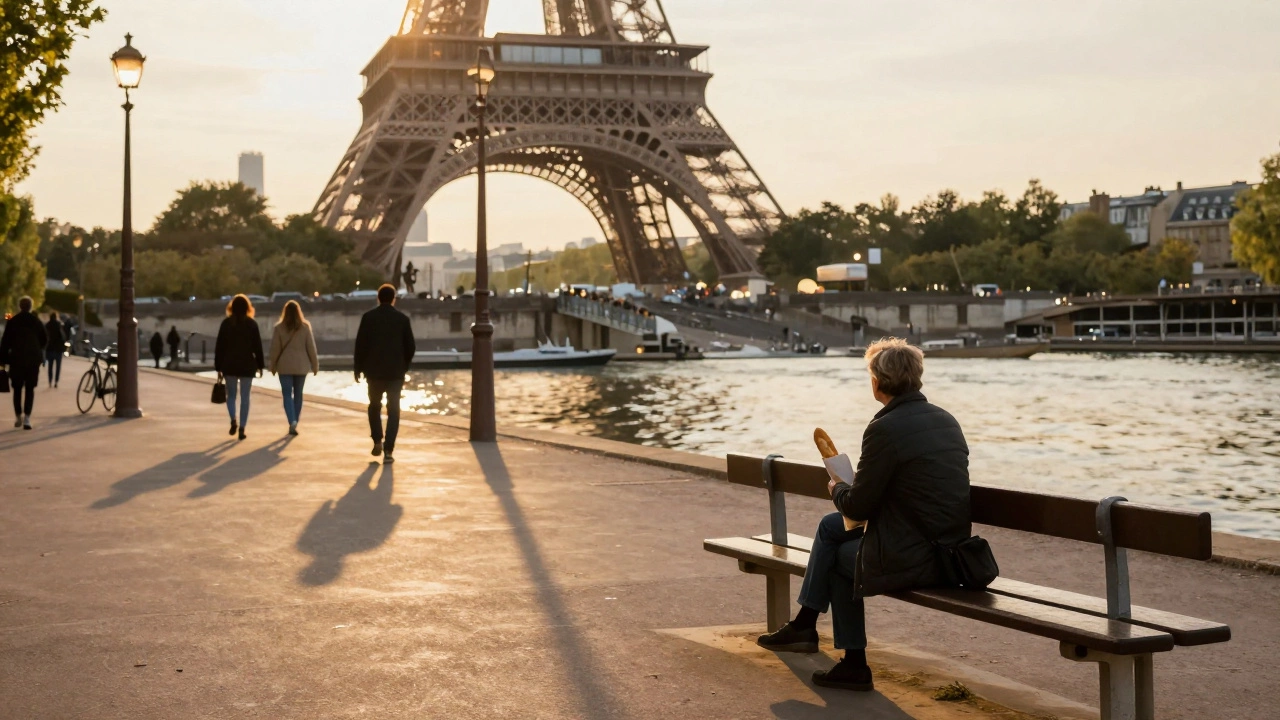
People sometimes say Paris is the Hungarian capital of France. That’s not true. Hungary’s capital is Budapest. But if you’ve ever walked through the winding streets of Montmartre or stood beneath the iron latticework of the Eiffel Tower at sunset, you might understand why someone would confuse the two. Paris doesn’t belong to Hungary - but it does feel like a world capital all its own. And if you’re looking for something beyond the postcards, you’ll find layers of history, art, and quiet beauty that most tourists never see. For those seeking unconventional experiences in the city, escort girl parid is sometimes mentioned in travel forums, though it’s far from what makes Paris unforgettable.
Architecture That Tells Stories Without Words
Paris isn’t just a city with buildings. It’s a museum you can walk through. The Notre-Dame Cathedral, still under restoration after the 2019 fire, stands as a symbol of resilience. Its flying buttresses weren’t just engineering feats - they were medieval solutions to a problem: how to let in more light without collapsing the walls. The Louvre, once a royal palace, now holds the Mona Lisa - but also thousands of other pieces that tell stories from ancient Egypt to the French Revolution. Even the humble apartment buildings in the 6th arrondissement have wrought-iron balconies and carved stone details that date back to the 1800s. These aren’t decorations. They’re the fingerprints of generations who lived here.
Culture Is in the Air - Literally
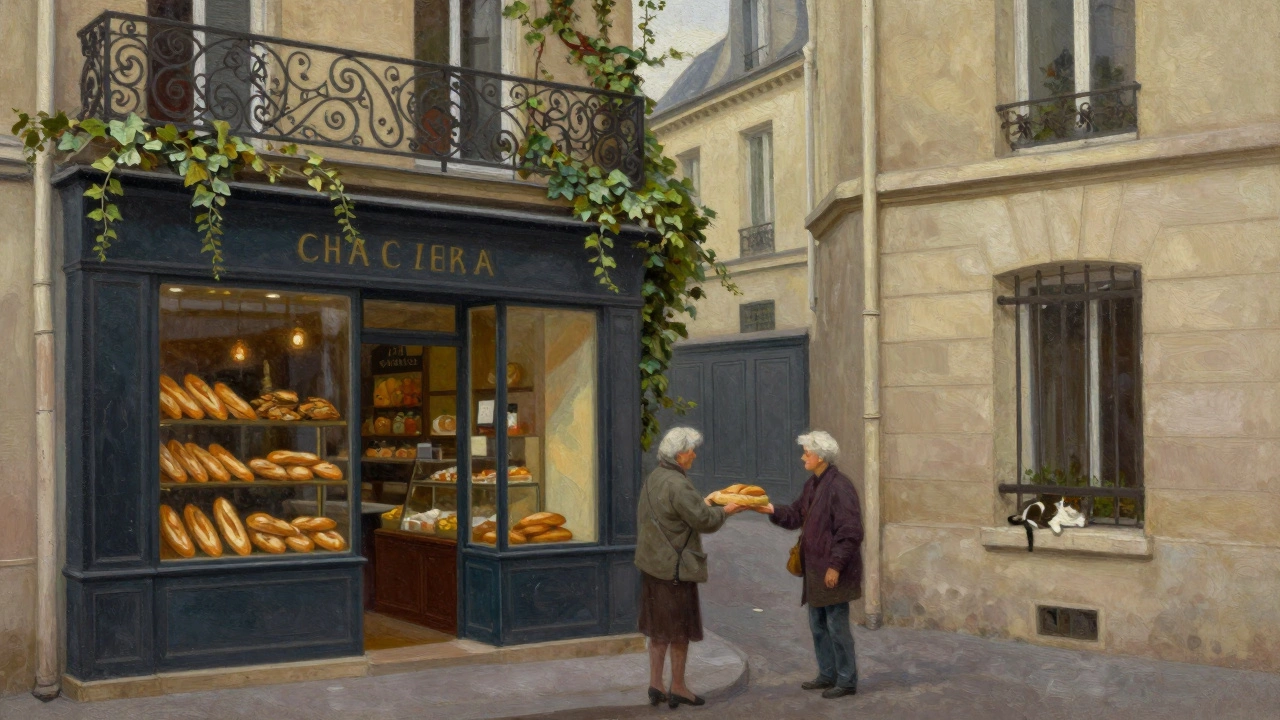
Walk into any neighborhood boulangerie in Paris and you’ll smell fresh bread. That’s not just a snack. It’s a ritual. The baguette has protected status under French law. It must be made with only four ingredients: flour, water, salt, and yeast. No additives. No preservatives. No shortcuts. That’s how it’s been since 1993. And people care. You’ll see locals lining up at 7 a.m. because they know the difference between mass-produced and hand-shaped. The same goes for cheese. In a small shop in Saint-Germain-des-Prés, you can taste 12 kinds of goat cheese, each with its own terroir, texture, and aging process. This isn’t gourmet tourism. It’s daily life.
Art Isn’t Confined to Museums
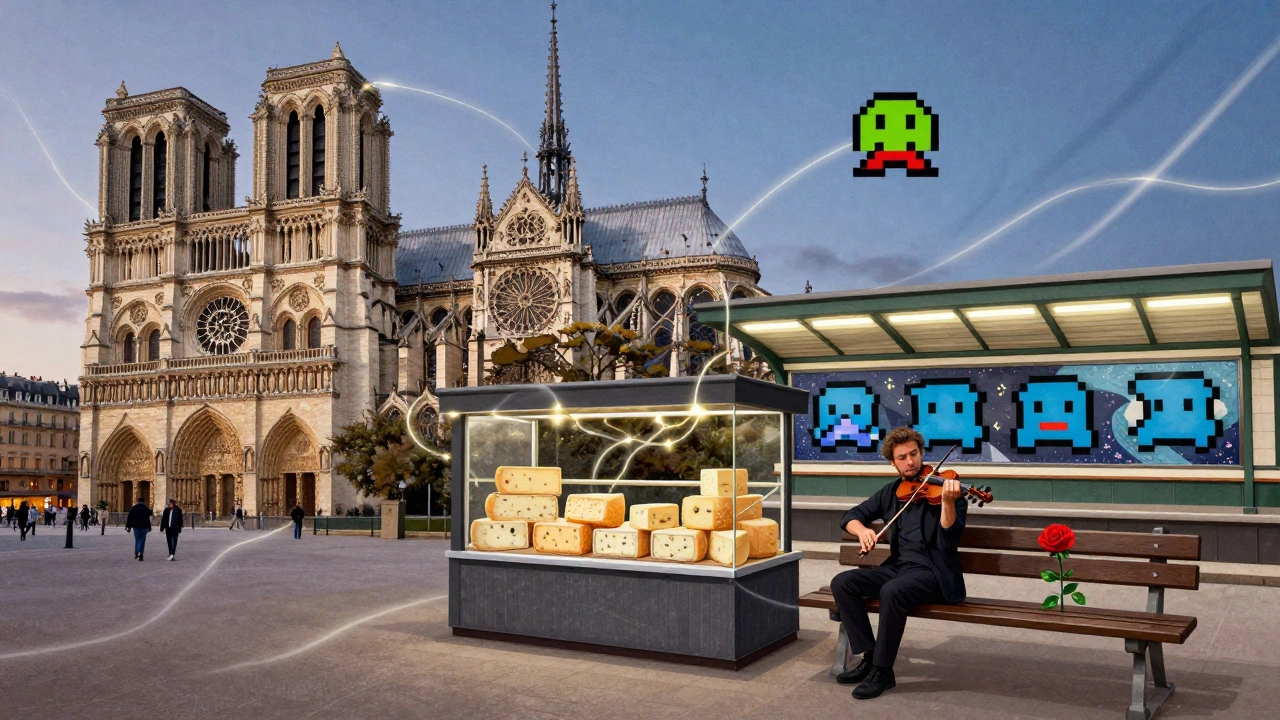
Paris doesn’t need a gallery to be artistic. The street art in Belleville is as much a part of the city as the Seine. Murals by artists like Invader - who places pixelated space invaders on walls - have become landmarks. The graffiti on the side of a shuttered bookstore in the 13th arrondissement might be gone next week, but someone will paint over it with something even more daring. The city doesn’t police creativity. It feeds it. And that’s why young musicians still gather at the Metro stations. You’ll hear jazz in République, classical guitar near Bastille, and sometimes even a violin playing Debussy while commuters rush past. No stage. No tickets. Just sound.
The Quiet Side of a Busy City
Most people think of Paris as crowded. And yes, the Champs-Élysées gets packed. But step into the Jardin du Luxembourg and you’ll find old men playing chess under chestnut trees. Or visit the Père Lachaise Cemetery. It’s not morbid - it’s peaceful. Oscar Wilde, Jim Morrison, and Edith Piaf are buried here, but so are dozens of ordinary Parisians whose names you’ll never know. Their headstones are covered in flowers, handwritten notes, and tiny stones left by visitors. It’s a place where time slows down. You’ll hear birds. Not cars. Not tourists shouting for selfies.
Food Is Politics, Too
In 2018, Paris banned the sale of plastic water bottles in all public buildings. Not because it was trendy. Because it was necessary. The city has been fighting to reduce waste for decades. That’s why you’ll find refill stations everywhere - and why the local markets still use paper bags. Even the cafés serve water in glass carafes, not plastic bottles. This isn’t just eco-friendly. It’s cultural. The French don’t see food as a commodity. They see it as heritage. A Michelin-starred chef in Paris might spend three hours preparing a single dish. Not to impress. But to honor the farmer who grew the vegetables, the fisherman who caught the sea bass, and the generations before him who passed down the recipe.
Why Paris Doesn’t Need to Be Perfect
Paris has potholes. It has broken elevators in Metro stations. It has tourists who block sidewalks taking selfies with baguettes. But it also has a soul. You can’t package that. You can’t sell it as a tour package. You can’t even really describe it. You have to feel it. That’s why people return. Not for the Eiffel Tower. Not for the Louvre. But for the quiet moment when the sun hits the Seine just right, and the water turns gold. Or when you walk into a tiny bookstore and the owner smiles and says, "You’re back."
What Makes Paris Different From Other Cities
Other cities have history. Other cities have art. Other cities have great food. But few combine them all with such stubborn pride. Paris doesn’t try to be trendy. It doesn’t chase global trends. It stays true to itself - even when it’s inconvenient. That’s why you won’t find a Starbucks on every corner. Why the boulangeries still close at 8 p.m. Why the markets close on Mondays. Paris says no to convenience when it means losing identity. And that’s why it lasts.
Paris Isn’t Just a Destination - It’s a Feeling
If you come here looking for Instagram moments, you’ll leave disappointed. But if you come here looking for something real - the smell of rain on cobblestones, the sound of a distant accordion, the taste of warm pain au chocolat eaten slowly on a park bench - then you’ll understand why people call it magic. It’s not about the landmarks. It’s about the silence between them. The pauses. The breaths. The moments no guidebook mentions. And yes, if you’re searching for companionship in the city, you might hear the term esclrte paris whispered in certain corners. But that’s not why Paris endures. It endures because it lets you be alone - and still feel like you belong.
How to See Paris Like a Local
- Take the Metro to a neighborhood you’ve never heard of - like Butte-aux-Cailles or La Goutte d’Or.
- Visit a market on a weekday morning. Talk to the vendors. Ask what’s in season.
- Skip the Eiffel Tower at night. Watch it light up from the Trocadéro at 10 p.m. - then walk away.
- Find a small bistro with no English menu. Point at what the person next to you is eating.
- Go to a cinema that shows French films without subtitles. Just sit there. Let the language wash over you.
- Buy a single rose from a street vendor and leave it on a bench. No reason needed.
Paris doesn’t need you to love it. It just needs you to notice it.
And if you’re still looking for something outside the usual experience, you might come across the phrase paris scorts online. But remember - the real Paris isn’t found in search results. It’s found in the quiet corners, the unspoken rituals, and the spaces between the noise.